GTA Multi-Family Investment Surge: 232% in Q1 2026
GTA Real Estate, Commercial Property Trends, Multi-family Investment, Cash Flow Investment
Why Multi-Family Investment Is Surging in GTA Real Estate: A 232% Jump in Q1 2026
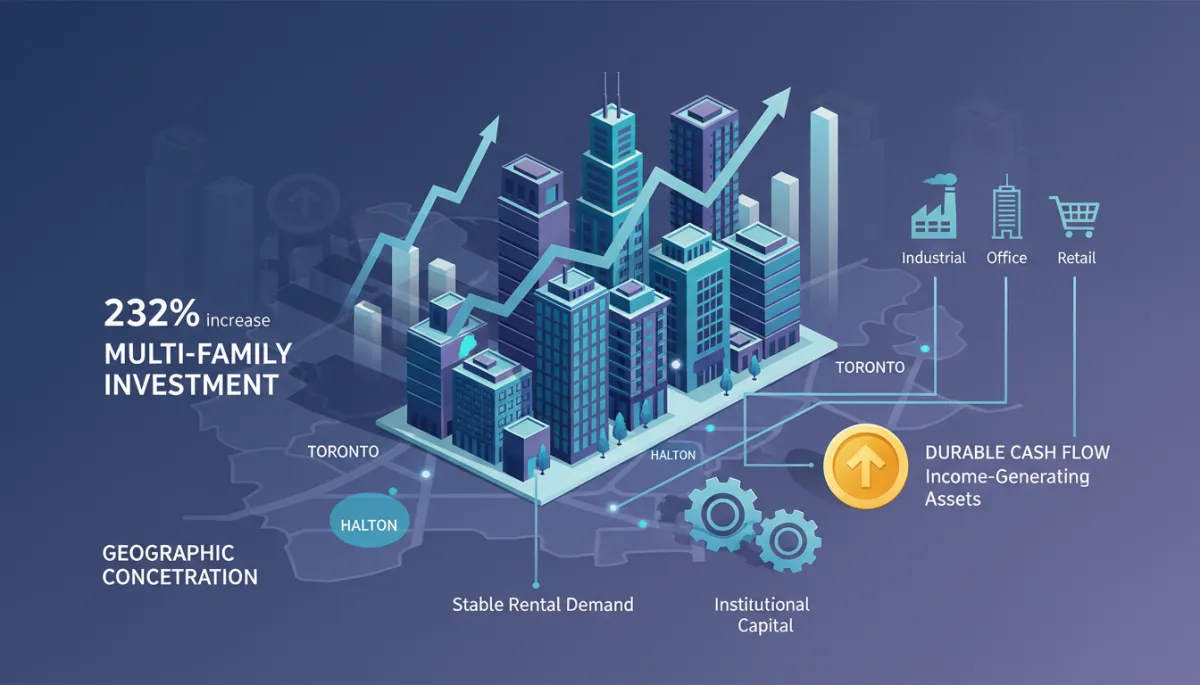
Multi-family residential deals in the Greater Toronto Area (GTA) didn’t just tick up in early 2026—they surged. In Q1 2026, multi-family investment volume jumped by approximately 232% to reach about $675 million, reshaping how buyers, sellers, landlords, and investors think about Commercial Property Trends in the region. For clients of Affordable Homes and Condos - Ali Bolourchi Real Estate (A.B.R.E.) Team, this shift carries a clear message: durable, rental-based cash flow is now outperforming speculative appreciation.
A New Phase for GTA Commercial Real Estate
The GTA commercial market has always been diverse, spanning office towers, industrial warehouses, retail plazas, and apartment buildings. But Q1 2026 stands out: Multi-family Investment clearly led the way, even as industrial, office, and retail sectors continued to play important supporting roles. While global reports from firms such as CBRE, Colliers, and Newmark point to multi-family strength across North America, the GTA story is especially compelling because of its chronic housing shortage and strong population growth.
For everyday buyers and sellers—especially first-time home buyers and affordability-focused clients—the message is not just about big institutional players. It is about understanding where capital is flowing, why Rental Demand is so resilient, and how you can position yourself on the right side of this structural shift with the guidance of a trusted team like the A.B.R.E. Team.
Sector Breakdown: Multi-Family Leads, But Other Sectors Still Matter
The Q1 2026 Commercial Property Trends in the GTA show a clear hierarchy of investor interest. While exact percentages vary by source and deal flow, the pattern is remarkably consistent:
Multi-family residential: Roughly $675 million in Q1 2026, up about 232% year-over-year, making it the standout sector for GTA Real Estate investors looking for stability and income.
Industrial: Still highly sought after due to e-commerce, logistics, and light manufacturing needs. While growth has moderated from earlier peaks, industrial properties continue to attract both private and Institutional Capital seeking predictable tenants and long leases.
Office: Experiencing a cautious recovery. Hybrid work remains a factor, and investors are more selective, targeting well-located, modern buildings with strong tenant rosters rather than speculative office plays.
Retail: Stable but segmented. Essential-service and neighborhood retail centers—especially those anchored by grocery or medical tenants—are faring better than older, non-anchored strip plazas.
What ties these sectors together is a renewed focus on Cash Flow Investment. Investors are increasingly asking, “What is my reliable income today?” rather than, “How much will this property be worth in five years if prices keep rising?” That shift is most visible in the multi-family segment, where occupancy and Rental Demand remain exceptionally strong.
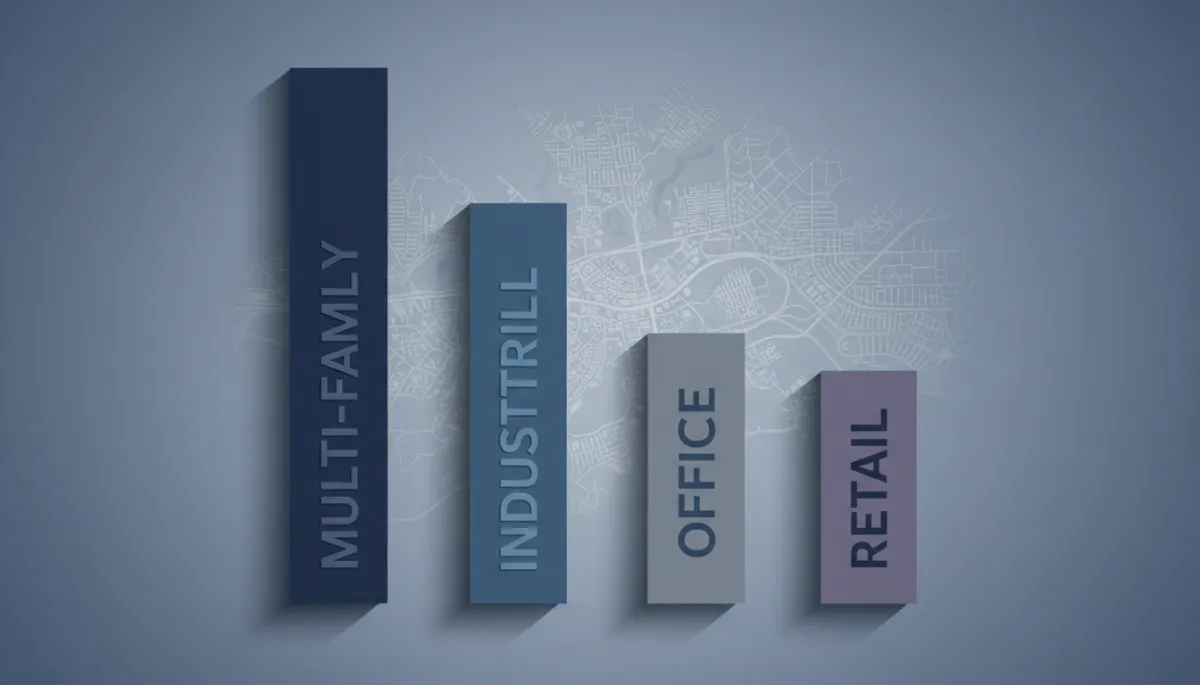
Multi-family now leads GTA commercial sectors as investors chase reliable income streams.
Where the Action Is: Toronto and Halton Take Center Stage
The surge in Multi-family Investment is not evenly spread across the GTA. Two areas in particular are attracting a disproportionate share of capital:
City of Toronto: As the region’s economic and cultural core, Toronto continues to see strong investor interest in mid-rise and high-rise rental buildings. With limited land, high construction costs, and persistent buyer affordability challenges, well-located rental assets in Toronto offer stable occupancy and long-term upside.
Halton Region (including Oakville, Burlington, Milton, and Halton Hills): Market reports from OMDREB and TRREB show a balanced but tight residential environment, with 4–5 months of inventory and many homes selling below asking but still moving steadily. As single-family ownership remains expensive—average prices in the $1.1–$1.5 million range—demand for quality rentals in Halton has intensified, supporting multi-family and mixed-use investment.
For clients of Affordable Homes and Condos - Ali Bolourchi Real Estate (A.B.R.E.) Team, this geographic concentration matters. It signals that the most resilient opportunities—whether you are buying your first condo, selling a small income property, or scaling a rental portfolio—are increasingly clustered in transit-connected, employment-rich pockets of Toronto and in growing, family-friendly communities across Halton.
💡 Pro Tip: When comparing neighborhoods, look beyond listing prices. Vacancy rates, rental absorption, and local employment growth often tell you more about long-term investment strength than headline sales numbers.

Investment capital is clustering where rental demand, jobs, and transit access intersect.
Three Structural Drivers Behind the Multi-Family Surge
1. Stable Rental Demand: Housing Shortages and Population Growth
The GTA has been undersupplied for years. Even with new projects coming online, supply consistently trails population growth, fueled by immigration, interprovincial migration, and natural household formation. Across North America, research from firms like CBRE and Colliers shows multifamily absorption outpacing new deliveries, and the GTA is no exception to this pattern.
For renters, this means fewer options and upward pressure on rents. For owners of well-located rental properties, it means:
High occupancy rates, even during economic slowdowns.
More predictable cash flow compared to speculative development or land banking strategies.
The ability to adjust rents over time, within regulatory limits, to keep pace with inflation and operating costs.
For many first-time investors, this is their introduction to the idea that Rental Demand is not just a statistic—it is the foundation of a resilient investment plan. The A.B.R.E. Team regularly helps clients evaluate neighborhoods, building types, and unit mixes to align with this structural demand.
2. Institutional Capital Targeting Specific Cap Rates
Large pension funds, REITs, and private equity groups are increasingly active in the GTA, and their playbook is clear: focus on stable, income-producing assets that meet targeted capitalization (cap) rates. Rather than betting on explosive price growth, they are underwriting deals based on:
Current and projected net operating income (NOI).
Realistic rent growth assumptions aligned with local wage and population trends.
Risk-adjusted returns relative to bonds, equities, and other real assets.
This disciplined approach from Institutional Capital has a ripple effect. When big players are willing to pay premium pricing for high-quality multi-family assets at cap rates they view as acceptable, it validates the sector and supports valuations for smaller properties as well. Smaller investors can “follow the smart money” by applying the same logic—focusing on realistic income and expenses instead of speculative resale values.
3. Market Hesitation Is Shifting Demand Toward Rentals
Higher interest rates, inflation concerns, and economic uncertainty have left many would-be buyers on the sidelines. Some are waiting for prices to correct; others are struggling to qualify for mortgages under strict stress tests. The result is a growing pool of households who would like to own but choose—or are forced—to rent for longer.
This hesitation is a headwind for purely speculative condo assignments or flip strategies, but it is a tailwind for landlords. Well-managed rental properties—especially those offering good value in accessible neighborhoods—are benefiting from:
Longer tenancy durations as renters delay homeownership plans.
Lower turnover costs and more predictable operating budgets.
Steady demand even as resale markets move through mini-cycles of optimism and caution.

In today’s GTA market, stable rental income is outweighing pure price speculation.
The Big Takeaway: Durable Cash Flow Is Beating Speculative Appreciation
The 232% jump in multi-family investment to roughly $675 million in Q1 2026 is not a random spike. It reflects a deeper realignment in GTA Real Estate: investors are prioritizing properties that generate durable, predictable cash flow over those that depend on aggressive price growth to make sense.
That does not mean appreciation is irrelevant. Over the long term, well-chosen income properties in strong locations typically benefit from both rent growth and rising values. But the new playbook starts with the income statement, not the resale dream. In practical terms, this means:
Evaluating properties based on realistic net cash flow after financing, taxes, and maintenance.
Stress-testing numbers under different interest rate or vacancy scenarios.
Prioritizing tenant quality, building condition, and neighborhood fundamentals over “hot” headlines.
📌 Key Takeaway: In the current GTA environment, the investors who sleep best at night are those whose properties pay them every month—regardless of short-term price swings.
What This Means for Buyers, Sellers, Landlords, and Investors
For First-Time Buyers and Affordable Home Seekers
If you are struggling to enter the ownership market, you still have options. One strategy the A.B.R.E. Team often explores with clients is house-hacking—purchasing a small multi-unit property or a home with a legal secondary suite. By living in one unit and renting out the other, you can offset your mortgage, build equity, and participate directly in the Multi-family Investment trend.
To see if this approach might work for you, consider taking the A.B.R.E. Team’s free First-Time Home Buyer Eligibility Quiz and browsing current listings for duplexes, triplexes, and condo units with strong rental potential across Toronto and Halton.
For Sellers of Income Properties
If you own a rental property, especially in Toronto or Halton, you are in a favorable position—provided your building’s financials are strong and well-documented. With Institutional Capital and experienced private investors hunting for Cash Flow Investment opportunities, a properly marketed property can attract multiple qualified buyers.
Before listing, work with a knowledgeable team to:
Organize leases, rent rolls, and expense statements.
Identify value-add improvements that could boost NOI and sale price.
Position the property in marketing materials as a stable, income-focused asset rather than just a “nice building.”
For Landlords and Small-Scale Investors
If you already own rental units, the current environment is a strong reminder to treat your holdings like a business. That means:
Regularly reviewing rents against market levels while respecting tenant protections and regulations.
Proactively maintaining units to minimize vacancy and attract quality tenants.
Considering strategic upgrades—like in-suite laundry or energy-efficient improvements—that can justify higher rents and lower operating costs.
The A.B.R.E. Team can help you benchmark your property against similar assets in Toronto and Halton, highlighting opportunities to increase cash flow and long-term value.
For Larger and Aspiring Portfolio Investors
For those building or refining a portfolio, the message from Q1 2026 is simple: prioritize income-generating assets. This may mean:
Rebalancing away from vacant land or highly speculative pre-construction holdings toward stabilized or near-stabilized rentals.
Looking beyond the core to emerging GTA submarkets with strong fundamentals but slightly higher cap rates.
Partnering with experienced property managers to protect and grow income in line with best practices.

Smart investors are aligning with advisors who prioritize affordability, clarity, and steady income.
Moving Forward: How the A.B.R.E. Team Helps You Act on These Trends
The surge in Multi-family Investment, the sector breakdown across industrial, office, and retail, and the geographic focus on Toronto and Halton all point to a GTA Real Estate market that is evolving—but not in ways that shut everyday buyers and sellers out. With the right guidance, you can use these Commercial Property Trends to your advantage, whether your goal is finding an affordable home, starting your first rental, or scaling a portfolio.
Affordable Homes and Condos - Ali Bolourchi Real Estate (A.B.R.E.) Team is built around transparency, client empowerment, and digital innovation. That means clear market explanations, data-backed recommendations, and online tools that make your decisions easier—not more confusing. From free buyer and seller guides to a First-Time Home Buyer Eligibility Quiz and curated listings of income-generating properties, the focus is always on helping you secure housing and investments that work in the real world, not just on paper.
If you are ready to explore how Cash Flow Investment strategies can support your goals in the GTA, take the next step today:
Take the free First-Time Home Buyer Eligibility Quiz to understand your borrowing power and options.
Browse affordable homes and condos with strong rental or house-hacking potential in Toronto and Halton.
Download free buyer’s and seller’s guides to deepen your understanding of GTA Real Estate dynamics.
Contact the A.B.R.E. Team for personalized advice on buying, selling, or investing in income-generating assets.
In a market where durable cash flow is overtaking speculative appreciation, aligning yourself with experienced, digitally savvy professionals can make all the difference. The opportunities are real—and with the right strategy, they can be within your reach.